Autism dating app • Message-first

An autism dating app where directness is welcome

A calm, neurodivergent-friendly space for autistic adults and partners who appreciate clear words, predictable pacing, and quiet venues. No swipe pressure. No social-cue guessing games. Just message-first conversation, story-led profiles, and the freedom to date without masking.

Free messaging on the core tier. Text, voice, or video - your choice. No card required.

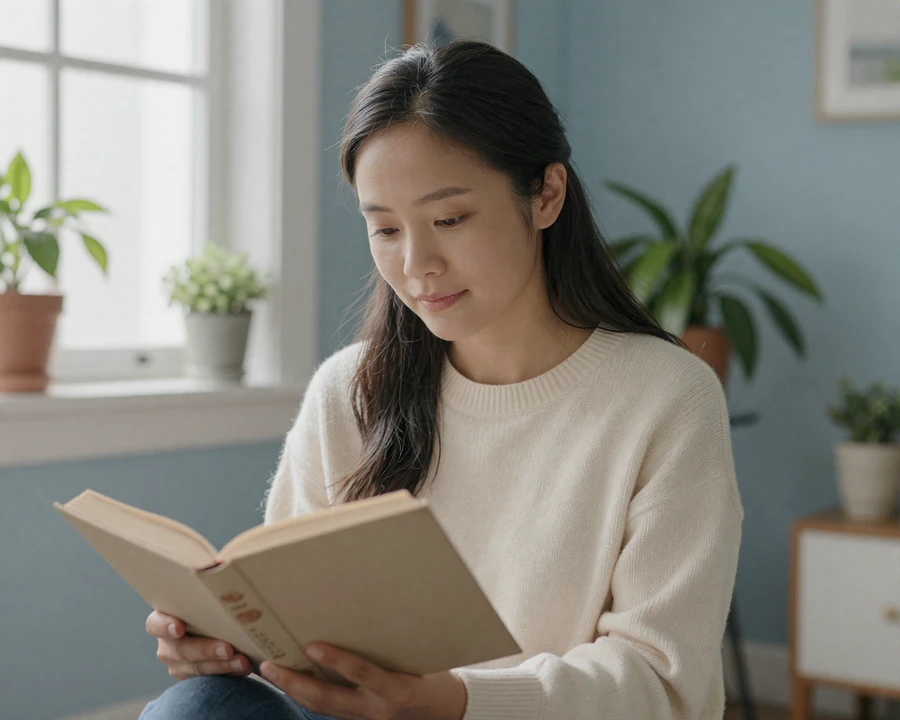
Maya, an autistic woman, reading quietly by a sunlit window - autism dating without masking
Sensory-friendly by design

Sensory-friendly dating, by design

Most mainstream dating apps are loud. Bright red notification dots, swipe mechanics tuned for dopamine, group selfies in nightclubs as the default first photo, and a social rhythm that rewards quick, ambiguous flirting over clear words. For a lot of autistic adults, that environment is not fun - it is work. Constant decoding work, with sensory load on top, before the actual relationship has a chance to begin.

This autism dating site is built differently. Profiles lean on text and a few well-chosen photos rather than rapid-fire image grids. Conversations start when both people opt in, not when an algorithm decides you are interesting. Notifications batch quietly. Photo prompts ask about what you actually do - the bookshelf, the lab bench, the trains, the aquarium, the studio - instead of demanding a posed group shot. Members can answer prompts in text, voice memo, or short video, so the format that matches your processing fits the platform.

"The first dating app where I did not have to translate myself into someone slightly less autistic just to get a reply. The relief of that, three months in, is still something I notice."

- Member reflection, two months on the platform

Sensory-friendly is not the same as low-stakes. The conversations here can get deep - that is the point. What "sensory-friendly" means in practice is that the interface does not fight you. Generous white space, captioned video by default, keyboard navigation throughout, no autoplay, no pop-ups, no surprise animations. Profile prompts encourage specificity ("the documentary I rewatch") rather than vague performance ("looking for adventure"). And there is no obligation to perform extroversion. Emotional compatibility matters more than charisma here.

Disclosure

Soft disclosure, on your timeline

There is no rule that says you must announce your autism in your first message. There is also no rule that says you must hide it. Soft disclosure means choosing the moment that fits the conversation - and giving yourself the same flexibility you would give a friend.

Most members here mention being autistic somewhere on their profile - in a sentence, a tag, or a prompt answer like "best way to ask me out: directly, in writing, with one option suggested." That single line does most of the filtering. Matches who reach out have already self-selected as people who saw the word and wanted to talk anyway. The disclosure tax - explaining yourself fresh in every conversation - drops to almost zero.

For members who prefer to wait, the platform supports that too. Mood tags and a "communication preferences" field let you signal needs without naming a diagnosis. "Prefers written messages." "Replies in batches, not in real time." "Quiet venues only." Each one tells a partner something useful, and any of them can stand on their own without medical context.

If you are late-diagnosed or self-identified, that is valid here. Roughly 2.2% of U.S. adults are autistic according to the CDC's 2023 surveillance summary, and a growing share of that figure is adults diagnosed in their 30s, 40s, and 50s after years of feeling out of step. Your story does not have to fit a clinical timeline to belong on the platform.

One practical tip: if a match asks a question that lands wrong - too clinical, too curious about "symptoms," too focused on the diagnosis as a thing rather than you as a person - it is fine to say so. "I'd rather talk about how we communicate than about the label." Most thoughtful matches respond well to that boundary. The ones who don't are giving you useful early data.

What you bring

Strengths autistic partners bring to relationships

Mainstream dating advice frames autism as a list of challenges to manage. Research increasingly tells the other half of the story. A 2016 study cited across the autism research community found that autistic-autistic couples often report higher relationship satisfaction than mixed-neurotype couples - partly because shared communication style removes a layer of friction that hides in plain sight.

  • Honesty as a default

    Many autistic people find it easier to say what they actually mean than to perform a softer version. In long relationships, that directness becomes a stabilizer - fewer guessing games, fewer simmering misreadings.

  • Deep, durable commitment

    When an autistic person is in, they are usually in. The same brain that locks onto a special interest can lock onto a partner with steady, lasting focus that outpaces a lot of casual neurotypical dating.

  • Shared special interests

    A passion that some neurotypicals find "too much" is, to the right partner, the most attractive thing in the room. Shared interests turn into shared evenings, weekend trips, in-jokes, life.

  • Explicit communication

    Saying "I like you and want to plan a date" instead of waiting for someone to read tea leaves is a feature, not a bug. Many partners - especially other neurodivergent ones - find that clarity deeply restful.

  • Loyal pattern recognition

    Remembering the small things - the coffee order, the anniversary of a hard week, the right brand of chamomile - is a love language a lot of autistic partners deliver naturally and consistently.

  • Respect for autonomy

    Autistic adults often understand the need for solo decompression time better than most. That translates into partners who do not take alone-time as rejection - and give it as easily as they receive it.

More on neurodivergent compatibility - including how autistic and ADHD partners often complement each other - in our emotional compatibility guide, with a sister category for ADHD dating.

Date ideas

Quiet date ideas, gentle and low pressure

A first date is a sensory experiment as much as a romantic one. The venue, lighting, noise level, and exit options all shape whether the conversation can actually happen. These are dates members on the platform recommend most often.

Calm · Tactile

A weekday museum visit

Museums give you something to talk about without the pressure of constant eye contact. Aim for a Tuesday or Wednesday afternoon, smaller regional museums, and rooms that match a shared interest. Pre-bought tickets remove the queue stress.

Quiet · Cozy

Independent café, off-peak

Skip the Friday-night espresso bar with a queue out the door. A quiet independent café at 10:30 a.m. on a weekday gives you a corner table, a single source of background noise, and a clear exit if energy runs out.

Shared · Predictable

Bookshop browse, then tea

Walking shelves side by side gives space for parallel processing. Each of you picks a recommendation for the other, then meet at the café next door for tea. Two short, contained activities beat one long uncertain one.

Outdoor · Low stim

A botanical garden walk

Walking conversations are easier than seated ones for many autistic daters - less pressure to hold facial expression, easier to pause. Botanical gardens are quieter than parks and offer a clear loop with a defined end.

Home · No masking

A planned home video call

A scheduled 45-minute video call from your own space lets both people stim, fidget, drink tea, and process at their own rhythm. Set an end time in advance - a clear stopping point removes the social-exit puzzle entirely.

Gentle · Routine-friendly

Aquarium or planetarium

Built-in low light, built-in quiet, built-in things to look at. Aquariums and planetariums let you walk slowly, sit when needed, and let conversation rise and fall around the exhibits without forcing constant chatter.

Read more accessible date ideas across disability types →

Browse the community first

No card needed to look around. Read full profiles, see prompt answers, and reach out only when you are ready.

Free messaging on the core tier. Text, voice, or video. No data sold.

Member stories

Autistic members on dating without masking

Edited for length, shared with permission. Names and details are changed for privacy.

Introvert · Deep-thinker
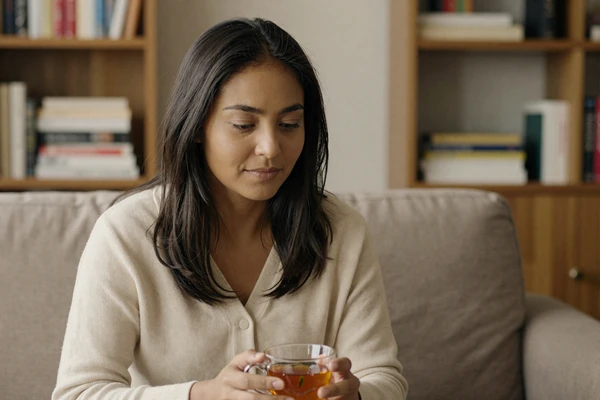
Maya, a late-diagnosed autistic woman, reading on her couch - autism dating member story

Maya, 30

Diagnosed at 28. Mainstream apps were exhausting performance. Here I wrote a real profile, mentioned the autism, and got a message about my favorite tabletop game two days later. We are six months in.

Direct · Quietly funny
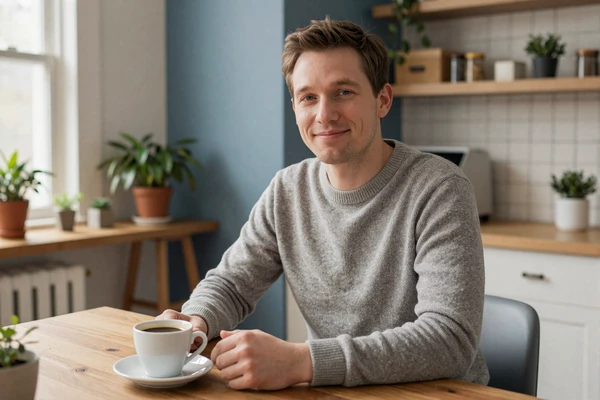
Owen, an autistic man, smiling gently at a kitchen table with coffee - autistic dating story

Owen, 35

I asked her on the first date in writing, with one suggested place and a backup. She told me later that was the most relaxing first message she had ever received. We are engaged now.

Calm · Curious
Iris, an autistic and ADHD woman, sketching in her sunlit home studio - neurodivergent dating story

Iris, 27

Both AuDHD. Both upfront on our profiles. Our first conversation was a 90-minute voice memo exchange about niche fonts. We met two weeks later and have not stopped talking since.

Read more autism dating success stories →

Profile language

Mood tags from autistic profiles

Members pick a few mood tags to communicate vibe and pacing - without forcing a personality test or a diagnosis label. These are some of the most common tags chosen by autistic members on the platform.

Calm Direct Introvert Deep-thinker Quiet evenings Pattern-spotter Bookish Routine-friendly Honest by default Special interests welcome Loyal Replies in batches Sensory-aware Slow-burn romantic No small talk
Why this matters

Why an autism-friendly space matters

Three numbers worth knowing - about who is dating, who is being underserved, and what changes when the platform is built around autistic communication instead of around it.

73% of autistic adults surveyed have had romantic experiences Strunz et al., Journal of Clinical Psychology, 2016
2.2% of U.S. adults are autistic, with rising late-adult diagnosis CDC Adult Autism Surveillance, 2023
~200K neurodivergent users on Hiki, the leading autism-friendly app Hiki App, App Store data 2024

Only 7% of high-functioning autistic adults in the 2016 study reported no desire for a relationship. The barrier is rarely interest - it is environment. Build an autism-friendly environment, and the desire that was always there has somewhere to land.

Common questions

Autism dating questions

The questions we hear most from autistic members and the people dating them. For more, see our full FAQ page.

What is the best dating site for autistic people?

The best autism dating site is one that prioritizes message-first communication, accepts text or voice replies, and removes swipe pressure. Personal Singles Dating offers all of this within a wider disabled dating community, with free messaging and explicit autism-friendly profile prompts. Other autism-focused platforms include Hiki (around 200,000 neurodivergent users), Spectrum Singles with its Spectrum Compatibility Test, Aspie Singles, and Mattr. Smaller, neurodivergent-built communities tend to outperform large mainstream apps for autistic daters because shared communication style matters more than raw user count.

Where can I meet autistic singles?

Autism-friendly dating apps are the most reliable starting point because they pre-filter for shared communication style. Beyond apps, neurodivergent meetups, special-interest groups (gaming, board games, fiber arts, robotics, fandom), accessible community classes, and online forums for shared interests all work well. In-person spaces tend to be lower pressure than bars or large mixers. Many autistic members on this platform met partners through a shared special interest first and the dating part second.

How do I tell someone I am autistic on a dating app?

You have two valid options. Mention it directly on your profile - a short sentence or tag is enough - to filter for matches who reach out already comfortable with it. Or wait until you have built some genuine rapport, then share it as part of the conversation, framed as a communication preference rather than a confession. Both work. The phrase "I prefer direct, written communication and quiet venues" tells a partner most of what they need without requiring a label.

Do autistic people make good partners?

Yes. Research, including a 2016 study cited across the autism research community, has found that autistic-autistic couples often report higher relationship satisfaction than mixed-neurotype couples - partly because shared communication style removes a major source of friction. Autistic partners commonly bring honesty, deep loyalty, durable commitment, and explicit communication. The "challenges" of autism in dating are usually environment problems, not relationship problems.

Are first dates harder for autistic people?

They can be - but mostly because of sensory load and ambiguous social rules, not because of lack of interest. Choosing a calm, predictable venue (off-peak café, museum, walk in a botanical garden) and agreeing on a clear end time before the date removes most of that friction. A 45-minute video call as a first contact is also a fully valid option that many autistic members prefer over an in-person first meeting.

Is the autism dating site free to use?

Yes. Free signup, free messaging, free profile, free browsing on the core tier. Members can answer prompts in text, voice, or short video at no cost. An optional premium layer adds advanced filters and verification, but everything you need to actually meet someone - including unlimited messaging - is free.

Can I be on the platform if I am self-diagnosed or late-diagnosed?

Yes. Self-diagnosis and late diagnosis are both welcome and increasingly common. The CDC notes growing rates of adult autism identification, and many members on the platform were diagnosed in their 30s, 40s, or 50s - or recognized themselves in the criteria without formal diagnosis. You do not need paperwork to join, to use mood tags, or to date here.

Will I have to "mask" my autism to date here?

No, and that is the entire point. Members are encouraged to share communication preferences plainly - replies in batches, written over voice, quiet venues, low-stim photos, special interests welcome. Stimming, fidgeting, and direct language are the norm in member profiles, not exceptions. If a match expects you to perform a more neurotypical version of yourself, they are not the right match. The platform is designed so the opposite happens by default.

Join free, in your own time

Browse first, message when ready, reply in the format that works for you. No swipe pressure, no masking, no hurry.

Free on the core tier. Text, voice, or video replies. No data sold. Ever.